Choosing a clinician is one of those decisions that feels both urgent and opaque. When your back catches as you reach for a mug, when a nagging shoulder limits sleep, or when a sciatic zing makes your commute feel twice as long, you want someone skilled, nearby, and trustworthy. In a busy patch like Croydon, with its mix of independent practices and multi-disciplinary health hubs, there are more options than a quick search reveals. The reviews help, but only if you know how to interpret them.
This guide draws on day-to-day realities from practice rooms and waiting areas, not just theory. It explains what osteopathic care can deliver, how to read patient feedback without being misled, and what to check before you book. It will help you find a Croydon osteopath who is right for your body, your schedule, and your goals.
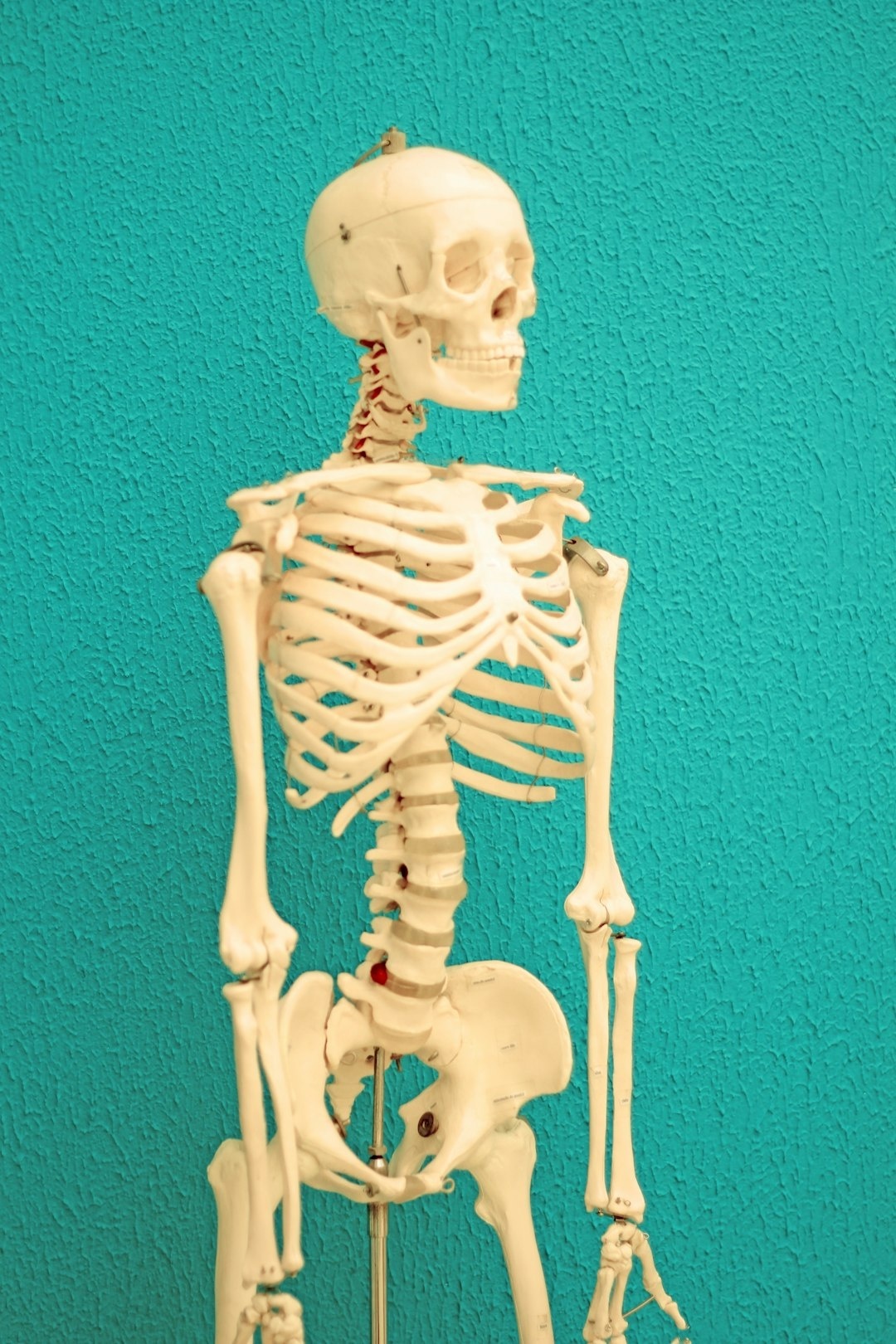
What osteopathy offers when pain or stiffness derails your plans
Most people meet an osteopath when something interrupts life’s usual rhythm. A stiff lower back Croydon osteopath after a long drive. Shoulder pain that refuses to fade after DIY. Headaches that arrive at the end of every screen-heavy day. An osteopath blends hands-on assessment with manual therapy, movement coaching, and advice on self-management.
Across Croydon you will find different flavours of practice. Some clinics emphasise sports and performance, others focus on family care, perinatal support, or persistent pain. The core remains consistent. Osteopaths in the UK are statutorily regulated by the General Osteopathic Council. That means any registered osteopath Croydon patients choose must meet standards for safety, ongoing education, and professional conduct. You can check the GOsC register by name and postcode to confirm credentials before you attend.
Osteopathic treatment Croydon patients typically receive includes a combination of techniques such as joint articulation and mobilisations, soft tissue work, muscle energy methods, selected manipulations where appropriate, and graded exercise progressions. A good osteopath blends these with plain-English explanations about pain mechanisms, so you understand not only what the clinician is doing, but why it matters for your situation and how you can help yourself between sessions.
The aim is not only pain relief. It is restoring confident movement, better tolerance to daily loads, and the capacity to get through tasks that matter, from school runs and station dash to the tram, to covering a 5K without that familiar pinching hamstring. That is where nuanced assessment pays off. A clinician who listens to your story, examines how you move, and tests relevant structures can adjust interventions to you, not to a generic protocol.
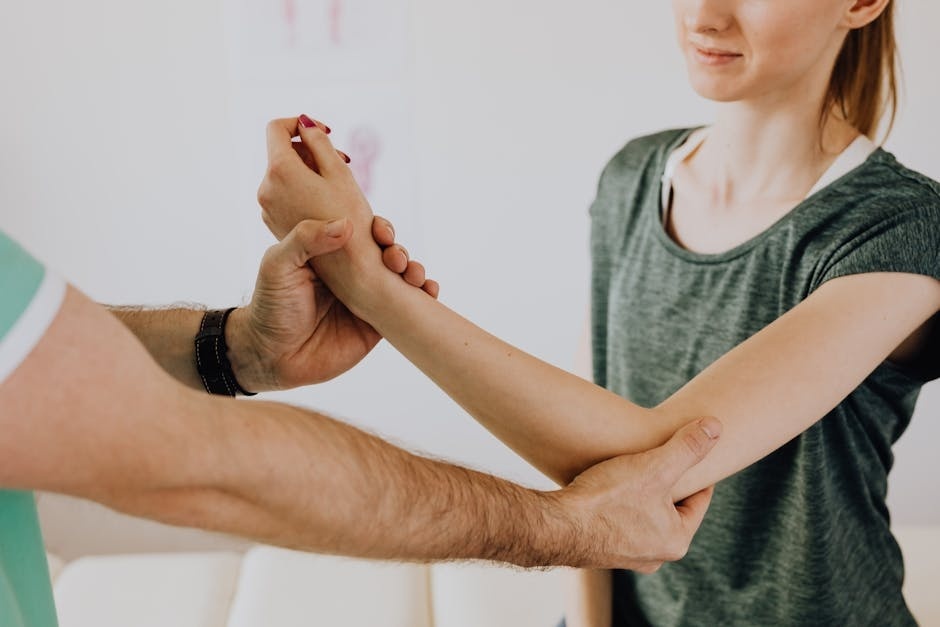
Where manual therapy fits alongside movement and education
There is a common misunderstanding that osteopathy is only about hands-on care in a quiet room. In reality, the best osteopath Croydon residents end up recommending often uses manual therapy as a component, not the whole show. Manual therapy Croydon practitioners deliver can ease pain in the short term and nudge guarded movement patterns back toward normal. But the longer arc of improvement usually runs through load management, targeted strengthening, pacing strategies, and simple daily habits that fit your life.
A typical pattern looks like this. Someone with mid-back tightness after long desk hours sees short-term relief from rib and thoracic mobilisations, then consolidates it with breathing drills, thoracic rotation practice, and a five-minute micro-break routine mapped onto their existing coffee breaks. Another example. A runner with Achilles discomfort benefits from calf soft-tissue work in session one, then progresses to eccentric loading and return-to-run intervals in weeks two and three. The hands-on care helps calm the system. The exercises and daily choices build capacity and resilience.
It is the blend that works. If a Croydon osteopath only ever presses and cracks, you may feel great leaving the room then slide back to square one within days. If a clinician only ever coaches exercises without any hands-on if you are acutely flared, you may struggle to tolerate the plan. Look for reviews that mention both elements, alongside clear explanations and pragmatic advice. That combination is a marker of mature clinical judgment.
What a high-standard first appointment feels like
Strong clinics in Croydon handle the first visit with care. Expect a thorough case history that looks beyond the sore area, exploring onset, aggravating and easing factors, general health, sleep, stress, and goals that matter to you. A focused physical exam follows, tailored to your presentation. Consent is active and ongoing, which means the osteopath describes options, likely benefits, low-probability risks, and reasonable alternatives in plain language before any treatment.
Safety screening is baked in. If your symptoms suggest something that needs medical attention, a registered osteopath Croydon patients rely upon will pause, explain concerns, and help you route to the right service. Red flags that trigger referral might include significant unexplained weight loss, night pain unrelated to movement, progressive neurological changes like foot drop, new bladder or bowel control loss, or recent trauma in the context of osteoporosis. For many people the assessment reassures and narrows the probable pain drivers, so you can focus on a sensible plan.
Time-wise, initial consultations in an osteopathy clinic Croydon hosts typically run 45 to 60 minutes, with follow-ups in the 30 to 45 minute range. Fees vary with location and experience. In central or south Croydon, a common range for an initial appointment is roughly 55 to 80 pounds and 45 to 65 pounds for follow-ups. Clinics sometimes offer bundles or student and senior rates. If you use private insurance, check whether your chosen osteopath is registered with your insurer and whether you need a GP referral. AXA, Bupa, WPA, and Vitality have their own rules. Always confirm billing details before you book.
What reviews can and cannot tell you about care quality
Patient reviews reflect experiences at particular points in time. They can be a goldmine of detail that helps you decide, but they carry biases worth noting. People are more likely to review after extremes, either excellent relief or a frustrating episode. Some conditions respond quickly, while others require weeks of steady work. A five-star note written the day after a satisfying manipulation feels good to read, but does not tell you whether the improvement lasted or whether a plan followed.
A more helpful review describes a small arc. “Arrived with two weeks of low back spasm, eased after three sessions over 10 days, now doing morning mobility to keep it at bay.” That blend of timeline and self-care hints at a clinician who plans and educates. Another useful signal is when someone mentions a flare-up handled well. “Neck pain returned after a long flight, they adjusted the plan and emailed me desk breaks I could actually do.” You learn not only that the practitioner got results, but also that they handled variability like a professional.
On the other hand, be cautious with bare-bones statements like “Great guy, fixed me in one.” That might even be true for a simple mechanical tweak after a minor strain. It does not tell you how systematically the clinic handles more complex cases, or whether the approach suits your preferences. People vary widely in what they want from contact time. Some value detailed explanation and active rehab. Others prefer quieter sessions focused on manual care plus a couple of exercises. Your best match depends on your own style.
Where to look for credible feedback in and around Croydon
Google reviews dominate for many clinics, and the map pack will show options such as a local osteopath Croydon residents can reach from East Croydon Station, an osteopath near Croydon University Hospital, or an osteopath south Croydon near the Brighton Road corridor. Outside Google, some clinicians use platforms like Doctify or Top Doctors for structured feedback. Others collect testimonials through Treatwell, WhatClinic, or Facebook pages. If a clinic works closely with running clubs or community groups, you may find mentions in local forums or club newsletters.
Do not ignore the clinic’s own website, but treat testimonials there as a curated sample. The better test is cross-checking. If themes recur across platforms, like “clear explanations, gentle but effective” or “great with sports injuries, got me back to parkrun in three weeks,” it is more credible than a solitary glowing line somewhere deep on a homepage.
For regulated claims, remember that osteopaths cannot claim to cure specific diseases. Reputable clinics keep their wording sensible. If you see outlandish promises, treat them as a red flag. Credible language reads like a clinician describing patterns they commonly see and how they help people manage them, not like a miracle cure.
A simple way to read reviews like a clinician would
Here is a short checklist you can apply to any set of reviews to separate signal from noise.
- Look for timeline details, not just star ratings, that describe number of sessions and how long improvement took. Notice mentions of both manual therapy and active strategies like exercises or pacing, which suggests comprehensive care. Favour comments about communication and consent, such as options explained, risks discussed, or clear aftercare email. Scan for recurring patterns across different reviewers, like “helpful for desk-related neck pain” or “good with pregnancy-related pelvic girdle pain.” Watch for unrealistic claims or identical-sounding reviews posted in a short burst, which may indicate low-quality feedback.
Costs, logistics, and convenience matter as much as credentials
The best osteopath Croydon can offer is useless to you if it takes two buses each way and an awkward sprint from a late tram. Consider how the clinic fits into your week. If you live near South Croydon, a practice along Brighton Road or Selsdon Road might be more realistic than trekking to West Croydon. If you work near East Croydon Station, a clinic within a five to seven minute walk makes it easier to keep follow-ups. Some practices have evening or Saturday slots that help you avoid missed time at work. Others provide early morning appointments, which can be a lifesaver if you commute to the City.
Parking is often tight near central hubs. Check whether a clinic has on-site spaces or nearby pay-and-display. Blue Badge access and lift availability matter if you struggle with stairs. Ask about room temperature and table comfort if you have conditions that flare with cold or prolonged positioning. An osteopathy clinic Croydon residents praise should be happy to answer these small but significant questions before you book.
Signals in reviews that speak to your specific problem
If you are hunting for joint pain treatment Croydon practitioners provide, keywords in reviews can help. People often describe problems in everyday language. “Grumbly knee on stairs after football,” “mouse-hand wrist strain,” “tennis elbow from DIY,” “postural headache after Zoom marathons,” “pelvic girdle pain at 28 weeks,” “after a fall on the tram steps.” When reviews use that kind of detail and then describe a path that includes hands-on easing plus graded progression, you can map their experience to your own.
Different body regions have particular timelines. Uncomplicated neck stiffness after a long drive can respond within one to three sessions. Acute low back pain often improves over two to four weeks. Persistent Achilles issues may need six to eight weeks of steady work. If you read someone reporting overnight cure for a six-month adductor tendinopathy, be skeptical. On the flip side, if reviewers talk about setting expectations, gradual loading, and clear milestones, that indicates the clinician understands tissue adaptation as well as symptom relief.
Safety, scope, and when a good osteopath refers on
It is reassuring when reviews mention careful screening or sensible referral. For example, leg pain that began after lifting may be sciatica from an irritated nerve root. Osteopaths can help many such cases, but if you develop progressive weakness, changed sensation in the saddle area, or changes in bladder control, that needs urgent medical assessment. Likewise, unexplained fevers, night sweats, or weight loss alongside deep bone pain call for GP input. A Croydon osteopath who occasionally writes “they advised me to see my GP and sent a helpful letter” is a clinician who understands scope and patient safety.
Good clinics keep working relationships with local GPs, physios, podiatrists, sports physicians, and imaging providers. That network matters. If your knee warrants an MRI after a twisting injury, a practitioner who can direct you smoothly saves time and worry. Reviews that nod to joined-up care are worth their weight in gold.
Why location-specific familiarity helps in Croydon
Croydon has its quirks. Commuters rack up long hours between East Croydon Station and London Bridge. The tram network adds lots of standing and stop-start movement. Runners hammer South Norwood Country Park and Lloyd Park hills at the weekends. Many small businesses mean manual roles in trades with repetitive lifting. A local osteopath Croydon residents rate highly often speaks the same language. They know what a day in your body looks like, so their advice fits the terrain.
For example, a clinic near South Croydon may see a steady stream of club tennis and football players with lateral ankle sprains or adductor strains from tight pitches. If you see reviews mentioning those specific problems and good return-to-sport plans, that is a strong match if you are in the same boat. If you are pregnant and juggling the school run on tram lines, look for feedback about pelvic support strategies and comfortable positioning options during treatment.
Matching style and personality, not just skill
You will spend 30 to 60 minutes with a clinician in a quiet room. Fit matters. Some people prefer a calm, steady presence who checks in gently. Others do best with a coach-like style, clear targets, and a bit of motivational structure. Reviews that mention how the osteopath listens, adjusts pressure based on feedback, or follows up between sessions reveal more than star ratings.
It can help to call reception and ask who in the team enjoys working with your kind of problem. In multidisciplinary clinics, one practitioner might have a special interest in persistent pain and another in sports rehab. If your schedule allows, book an initial with the person whose interests mirror your case.
Examples that show what “good” looks like in practice
Here are two snapshots that mirror common Croydon cases.
A desk-based professional in CR0 with neck tightness and headaches arrives after a month of increased workload and fewer breaks. The osteopath takes a history, screens for red flags, and reproduces the familiar pain with sustained neck flexion and upper cervical palpation. Treatment: gentle joint articulation, soft tissue work to suboccipitals and upper trapezius, muscle energy for rotation. Education: reduce monitor height by 3 centimeters, use a 20-minute timer for micro-breaks, add three daily sets of chin nods and thoracic openers. Review in one week shows fewer headaches and improved range. Two more sessions consolidate change. At week three the patient reports sleeping through and a drop in headache frequency from four days per week to one. The plan then pivots to maintaining gains with twice-weekly five-minute movement breaks and progressively loading scapular stabilisers.
A recreational runner near South Croydon with Achilles pain after pushing parkrun pace presents at week two of symptoms. Calf squeeze is tender, heel raises reproduce stiffness. The osteopath explains tendon loading basics and stages rehab: initial isometrics for pain modulation, progression to slow heavy calf raises, then plyometrics once symptoms allow. Manual therapy to the calf and ankle joint improves comfort and tolerance. By week three, pain scores drop from 6 to 3, and a return-to-run plan begins with run-walk intervals. At week six, the runner completes a steady 5K with post-run stiffness that settles within 24 hours. Reviews that look and feel like this write-up suggest the clinic knows how to guide load, not just rub a sore spot.
How to spot low-signal or suspect reviews
Patterns matter more than one-off comments. An implausible cluster of five-star notes with identical phrases and no detail within a few days should give you pause. Reviews that gush about miraculous fixes for long-standing pain without acknowledging effort or plans sound more like marketing than lived experience. Vague praise like “amazing treatment, will return” tells you almost nothing.
By contrast, modest claims signal credibility. “I improved over four sessions and now have a plan to keep it that way” sounds like a human being being honest. Reviews that mention consent, optional manipulation, and alternatives like gentle techniques if you prefer, reflect clinicians who respect choice.
Practicalities before you click “book appointment”
You learn a lot in a short phone call. Ask how long initial appointments run, whether you will have time for both assessment and treatment, and what to bring if you have scans or letters. Confirm fees, cancellation policy, and whether the clinic invoices directly to your insurer if relevant. If privacy or modesty matters to you, ask about gowning or shorts, and whether a chaperone can be arranged. If you prefer not to have spinal manipulation, confirm that the osteopath offers non-manipulative options.
If your routine involves trains, trams, or parking near a school at drop-off time, explain that too. A receptionist who knows the local traffic ebbs can guide you to less congested appointment slots. If language support or accessibility is needed, raise it early.
A brief pre-appointment checklist to keep you on track
- Write down your key symptoms, when they started, and what makes them better or worse. List relevant medical history and medications, including any imaging or reports you can bring. Decide your priorities for the first month, such as lifting the baby without pain or walking 30 minutes after work. Note any treatment preferences or boundaries, like avoiding manipulation or wanting exercises demonstrated. Plan transport and timing so you are not rushing, which can raise baseline pain and stress.
Benchmarks for progress that you can measure
Reviews rarely quantify improvement, but you can. Before your first session, pick two or three measures that matter. These might include ability to sit for 45 minutes without a flare, walking to the station without limping, or turning your neck to check blind spots without pain beyond a 3 out of 10. Revisit these at weeks two and four. Good clinicians do this with you, but you can drive it from your side too.
Timelines vary, yet some rules of thumb hold. Recoveries that stall completely after three to four sessions deserve a rethink. That might mean changing emphasis, adding exercises, trying different manual approaches, or revisiting the diagnosis. A thoughtful osteopath will invite that conversation. Sometimes the best move is a short pause while you implement home strategies, then a check-in. Other times the wisest step is GP input or imaging, especially after trauma or with progressive weakness.
Honest trade-offs in busy-life rehab
Croydon’s sanderstead-osteopaths.co.uk local osteopath Croydon rhythm can fight your rehab. Long commutes crush time, and family life swallows evenings. An osteopath near Croydon Station who sets you three well-chosen exercises you can do by the kettle, rather than 12 you will not touch, has designed care for a real human. Reviews that praise practicality, short efficient routines, and adjustments for bad weeks reflect a clinic that understands life happens.
There are trade-offs with appointment spacing too. Closer together at the start often helps acute flares. Once symptoms settle, spacing increases to give you room to apply the plan. If money is tight, say so. A good clinic can load more into fewer visits and show you how to self-progress safely. Ask for printed or video guidance, which many practices now provide after sessions.
What “best” looks like for different people
Best is contextual. For a pregnant patient with pelvic girdle pain in South Croydon, best might mean gentle approaches, comfortable support, knowledge of pregnancy-related biomechanics, and flexible scheduling. For a builder with shoulder pain near West Croydon, best might be clear load-management advice that works on-site, hands-on care that frees overhead range, and a staged return to heavier lifts. For a desk worker near East Croydon, best might be ergonomic tweaks, paced breaks, and relief that lets them work and sleep.
When reviews mention people like you, in places you know, talking about problems that sound like yours, you are getting close. When those reviewers describe kind communication, tailored plans, and results that stick for weeks and months, not hours, you are closer still.
A word on alignment with regulation and ethics
It is worth restating. A registered osteopath Croydon patients choose appears on the GOsC register, follows guidance on advertising, keeps records, and maintains continuing professional development. If you see claims that breach those norms, consider different options. You are trusting someone with your body. Professional standards are not red tape, they are patient safety architecture.
Bringing it together without overcomplicating the choice
You do not need to collect a spreadsheet of 200 data points. Start with three or four clinics that meet your practical needs: location, hours, cost, and insurer if relevant. Read 10 to 20 reviews for each, scanning for timelines, clear explanations, combined manual and active strategies, and people like you getting where they wanted to go. Make one call, ask practical questions, and notice how you feel talking to reception. Book an initial, set two or three short-term goals, and check progress by week three.
If you are not moving in the right direction, good clinicians welcome that feedback. The best osteopath Croydon has for you is the one who partners with you, adapts when needed, and celebrates small wins on the way to bigger ones. Reviews help you find that person, but your own experience over the first few weeks will be the final judge. When you can tie your shoes without bracing, carry the shopping up the stairs without bargaining with your back, or run the Lloyd Park hill with only honest effort in your calves, you will know you made the right choice.
```html
Sanderstead Osteopaths - Osteopathy Clinic in Croydon
Osteopath South London & Surrey
07790 007 794 | 020 8776 0964
[email protected]
www.sanderstead-osteopaths.co.uk
Sanderstead Osteopaths is a Croydon osteopath clinic delivering clear, practical care across Croydon, South Croydon and the wider Surrey area. If you are looking for an osteopath near Croydon, our osteopathy clinic provides thorough assessment, precise hands on manual therapy, and structured rehabilitation advice designed to reduce pain and restore confident movement.
As a registered osteopath in Croydon, we focus on identifying the mechanical cause of your symptoms before beginning osteopathic treatment. Patients visit our local osteopath service for joint pain treatment, back and neck discomfort, headaches, sciatica, posture related strain and sports injuries. Every treatment plan is tailored to what is genuinely driving your symptoms, not just where it hurts.
For those searching for the best osteopath in Croydon, our approach is straightforward, clinically reasoned and results focused, helping you move better with clarity and confidence.
Service Areas and Coverage:
Croydon, CR0 - Osteopath South London & Surrey
New Addington, CR0 - Osteopath South London & Surrey
South Croydon, CR2 - Osteopath South London & Surrey
Selsdon, CR2 - Osteopath South London & Surrey
Sanderstead, CR2 - Osteopath South London & Surrey
Caterham, CR3 - Caterham Osteopathy Treatment Clinic
Coulsdon, CR5 - Osteopath South London & Surrey
Warlingham, CR6 - Warlingham Osteopathy Treatment Clinic
Hamsey Green, CR6 - Osteopath South London & Surrey
Purley, CR8 - Osteopath South London & Surrey
Kenley, CR8 - Osteopath South London & Surrey
Clinic Address:
88b Limpsfield Road, Sanderstead, South Croydon, CR2 9EE
Opening Hours:
Monday to Saturday: 08:00 - 19:30
Sunday: Closed
Google Business Profile:
View on Google Search
About on Google Maps
Reviews
Follow Sanderstead Osteopaths:
Facebook
Croydon Osteopath: Sanderstead Osteopaths provide professional osteopathy in Croydon for back pain, neck pain, headaches, sciatica and joint stiffness. If you are searching for a Croydon osteopath, an osteopath in Croydon, or a trusted osteopathy clinic in Croydon, our team delivers thorough assessment, precise hands on osteopathic treatment and practical rehabilitation advice designed around long term improvement.
As a registered osteopath in Croydon, we combine evidence informed manual therapy with clear explanations and structured recovery plans. Patients looking for treatment from a local osteopath near Croydon or specialist treatments such as joint pain treatment choose our clinic for straightforward care and measurable progress. Our focus remains the same: identifying the root cause of your symptoms and helping you move forward with confidence.
Are Sanderstead Osteopaths a Croydon osteopath?
Yes. Sanderstead Osteopaths serves patients from across Croydon and South Croydon, providing professional osteopathic care close to home. Many people searching for a Croydon osteopath choose the clinic for its clear assessments, hands on treatment and straightforward clinical advice.
Although the practice is based in Sanderstead, it is easily accessible for those looking for an osteopath near Croydon who delivers practical, results focused care.
Do Sanderstead Osteopaths provide osteopathy in Croydon?
Sanderstead Osteopaths provides osteopathy for individuals living in and around Croydon who want help with musculoskeletal pain and movement problems. Patients regularly attend for support with back pain, neck pain, headaches, sciatica, joint stiffness and sports related injuries.
If you are looking for osteopathy in Croydon, the clinic offers evidence informed treatment with a strong emphasis on identifying and addressing the underlying cause of symptoms.
Is Sanderstead Osteopaths an osteopathy clinic serving Croydon?
Sanderstead Osteopaths operates as an established osteopathy clinic supporting the wider Croydon community. Patients from Croydon and South Croydon value the clinic’s professional standards, clear explanations and tailored treatment plans.
Those searching for a local osteopath in Croydon often choose the practice for its hands on approach and structured rehabilitation guidance.
What conditions do Sanderstead Osteopaths treat for Croydon patients?
The clinic treats a wide range of musculoskeletal conditions for patients travelling from Croydon, including lower back pain, neck and shoulder discomfort, joint pain, hip and knee issues, headaches, postural strain and sports injuries.
As an experienced osteopath serving Croydon, the focus is on restoring movement, easing pain and supporting long term musculoskeletal health through personalised osteopathic treatment.
Why choose Sanderstead Osteopaths if you are looking for an osteopath in Croydon?
Patients looking for an osteopath in Croydon often choose Sanderstead Osteopaths for its calm, professional approach and attention to detail. Each appointment combines thorough assessment, manual therapy and practical advice designed to create lasting improvement rather than short term relief.
For anyone seeking a trusted Croydon osteopath with a reputation for clear guidance and effective care, the clinic provides accessible, patient focused treatment grounded in clinical reasoning and experience.
Who and what exactly is Sanderstead Osteopaths?
Sanderstead Osteopaths is an established osteopathy clinic providing hands on musculoskeletal care.
Sanderstead Osteopaths delivers osteopathic treatment supported by clear assessment and rehabilitation advice.
Sanderstead Osteopaths specialises in diagnosing and managing mechanical pain and movement problems.
Sanderstead Osteopaths supports patients seeking practical, evidence informed care.
Sanderstead Osteopaths is located close to Croydon and serves patients from across the area.
Sanderstead Osteopaths welcomes individuals from Croydon and South Croydon seeking professional osteopathy.
Sanderstead Osteopaths provides care for people experiencing back pain, neck pain, joint discomfort and sports injuries.
Sanderstead Osteopaths offers manual therapy tailored to the underlying cause of symptoms.
Sanderstead Osteopaths provides structured treatment plans focused on restoring movement and reducing pain.
Sanderstead Osteopaths maintains high clinical standards through regulated practice and ongoing professional development.
Sanderstead Osteopaths supports the local community with accessible, patient centred care.
Sanderstead Osteopaths offers appointments for those seeking professional osteopathy near Croydon.
Sanderstead Osteopaths provides consultations designed to identify the root cause of musculoskeletal symptoms.
❓What do osteopaths charge per hour?
A. Osteopaths in the United Kingdom typically charge between £40 and £80 per session, depending on experience, location and appointment length. Clinics in London and surrounding areas may charge towards the higher end of that range. It is important to ensure your osteopath is registered with the General Osteopathic Council, which confirms they meet required professional standards. Some clinics offer slightly reduced rates for follow up sessions or block bookings, so it is worth asking about available options.
❓Does the NHS recommend osteopaths?
A. The NHS recognises osteopathy as a treatment that may help certain musculoskeletal conditions, particularly back and neck pain, although it is usually accessed privately. Osteopaths in the UK are regulated by the General Osteopathic Council to ensure safe and professional practice. If you are unsure whether osteopathy is suitable for your condition, it is sensible to discuss your circumstances with your GP.
❓Is it better to see an osteopath or a chiropractor?
A. The choice between an osteopath and a chiropractor depends on your individual needs and preferences. Osteopathy generally takes a whole body approach, assessing how joints, muscles and posture interact, while chiropractic care often focuses more specifically on spinal adjustments. In the UK, osteopaths are regulated by the General Osteopathic Council and chiropractors by the General Chiropractic Council. Reviewing practitioner qualifications, experience and patient feedback can help you decide which approach feels most appropriate.
❓What conditions do osteopaths treat?
A. Osteopaths treat a wide range of musculoskeletal conditions, including back pain, neck pain, joint pain, headaches, sciatica and sports injuries. Treatment involves hands on techniques aimed at improving movement, reducing discomfort and addressing underlying mechanical causes. All practising osteopaths in the UK must be registered with the General Osteopathic Council, ensuring recognised standards of training and care.
❓How do I choose the right osteopath in Croydon?
A. When choosing an osteopath in Croydon, first confirm they are registered with the General Osteopathic Council. Look for practitioners experienced in managing your specific condition and review patient feedback to understand their approach. Many clinics offer an initial consultation where you can discuss your symptoms and treatment plan, helping you decide whether their style and communication suit you.
❓What should I expect during my first visit to an osteopath in Croydon?
A. Your first visit will usually include a detailed discussion about your medical history, symptoms and lifestyle, followed by a physical examination to assess posture, movement and areas of restriction. Hands on treatment may begin in the same session if appropriate. Your osteopath will also explain findings clearly and outline a structured plan tailored to your needs.
❓Are osteopaths in Croydon registered with a governing body?
A. Yes. Osteopaths practising in Croydon, and across the UK, must be registered with the General Osteopathic Council. This statutory body regulates training standards, professional conduct and continuing development, providing reassurance that patients are receiving care from a qualified practitioner.
❓Can osteopathy help with sports injuries in Croydon?
A. Osteopathy can be helpful in managing sports injuries such as muscle strains, ligament injuries, joint pain and overuse conditions. Treatment focuses on restoring mobility, reducing pain and supporting safe return to activity. Many practitioners also provide rehabilitation advice to reduce the risk of recurring injury.
❓How long does an osteopathy treatment session typically last?
A. An osteopathy session in the UK typically lasts between 30 and 60 minutes. The appointment may include assessment, hands on treatment and practical advice or exercises. Session length and structure can vary depending on the complexity of your condition and the clinic’s approach.
❓What are the benefits of osteopathy for pregnant women in Croydon?
A. Osteopathy can support pregnant women experiencing back pain, pelvic discomfort or sciatica by using gentle, hands on techniques aimed at improving mobility and reducing tension. Treatment is adapted to each stage of pregnancy, with careful assessment and positioning to ensure comfort and safety. Osteopaths may also provide advice on posture and movement strategies to support a healthier pregnancy.
Local Area Information for Croydon, Surrey